
Cornell University’s professor of human development, Robert J. Sternberg, has been awarded the 2018 Grawemeyer Award in Psychology for a new psychological theory he introduced in 1996 called “successful intelligence.” He defines it as “the ability to set and accomplish personally meaningful goals in one’s life, given one’s cultural context.”
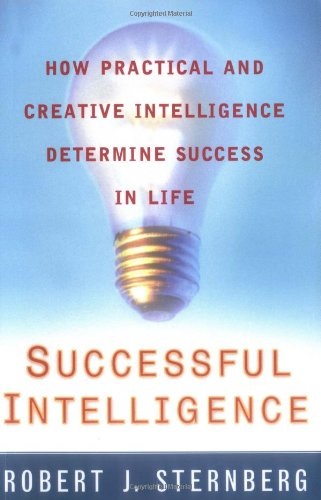
According to Sternberg, if you’re successfully intelligent, you can think well in four different areas as related to goals.
- Creatively – You think creatively to come up with new ideas that are useful.
- Analytically – You then analyze those ideas to see if they’re worthwhile or good.
- Practically – You think practically when you apply your concepts in ways that make sense for everyday life and convince others to jump on board.
- Wisdom-based (Ethically) – You consider whether the way you’re implementing your ideas will benefit everyone and follows accepted ethical rules.
Successfully intelligent people, according to Sternberg, accomplish goals by determining which strengths and weaknesses they’ve got and, as a great mentor might tell you to do, capitalizing on the strength and/or compensating for the weaknesses. To do this, they’re willing to seek out mentors and other people to help them.
They also look deeper than face value and take a second look at what’s “known”–they’re not mentally rigid in the way they think or view the world. They create their own opportunities if need be, and they’re fantastic at correctly identifying problems. And they have a keen sense of when to to keep on trying and when to quit.
Sternberg says that successful intelligence is something you can work at and develop. He maintains that this development can start early, when kids are still in school, by creating curricula that go beyond the typical focus on analysis and memorization.
Source:








 polination.blog