
Merriam-Webster defines “intersectionality” as “the complex, cumulative way in which the effects of multiple forms of discrimination (such as racism, sexism, and classism) combine, overlap, or intersect especially in the experiences of marginalized individuals or groups.”
So far as I can figure out, what it really means is, “The weirder I claim to be, the more social cred I can demand.”
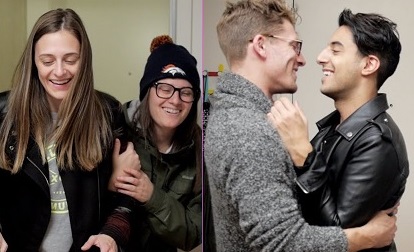
Way back when, we just had “Lesbians” and “Gays.” But as intersectionality became more influential, they started using an ever-evolving acronym. First, they added a “B” to the “L” and “G” to include “Bisexuals” – i.e., those who will boink either sex.

Then, they added a “T” to include “Transsexuals” – i.e., those who reject their biological gender – and put some black and brown stripes on their flag to grab some of that intersectional racism gusto.
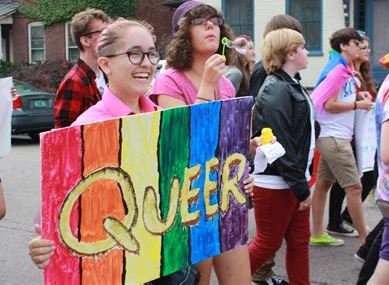
Then, they added a “Q” for “Queer”, which used to be a pejorative term for gays and lesbians, but which is now allegedly being embraced by those who will boink either sex. But don’t ask how they are different from “Bisexuals”, because I haven’t a clue.
Some say “Q” can also stand for “Questioning”, which would include people who aren’t sure what kind of sexual perversion they embrace, but really want to “come out” as something not traditional, so they can take advantage of all the yummy social cred that is now being bestowed on the “Pride” crowd. Note: Some people use “QQ“, I guess to make sure both are properly represented.

So, then, they added an “I” for “Intersex” which describes the rare people who are born with abnormal reproductive organs and/or genes. And just you never mind that “intersex” is a medical diagnosis, not a sexual preference, and that some/many/none of these folks care to identify with the “Pride” crowd. But guess what? They’ve gotten themselves a thingie on the ever-more-bizarre flag.

Next, they stuck on an “A” for “Asexual” – i.e., people who don’t experience sexual attraction at all, which is kind of like “frigid,” but with intersectional cred.
“A” can also mean “Ace”, which supposedly covers people who experience some, but not much sexual attraction, so “semi-frigid” but with intersectional cred.
Or it can supposedly also stand for “Aromantic”, which covers those with little or no desire to form romantic relationships. You know, those commitment-phobes we used to look down on as “Sluts” and “Players,” but who we now are expected to admire.

So, sigh, then they added “2S” for “two spirit” which is defined as “third gender (allegedly) found in some Native American cultures, often involving birth-assigned men or women taking on the identities and roles of the opposite sex. A sacred and historical identity, two-spirit can include but is by no means limited to LGBTQ identities.” So basically, they’re people who may or may not have any actual Native American blood, but who want to be more intersectionally glam about their sexual diversity by “identifying” as such.
Aaaaand, finally, they stuck a “+” on the end to maybe stop anyone from making “LGBTQIA2S” any longer and more ridiculous. According to the Gay Center website, “The ‘plus’ is used to signify all of the gender identities and sexual orientations that letters and words cannot yet fully describe.” So, who knows … maybe it’s for people who boink their pets and/or farm animals.
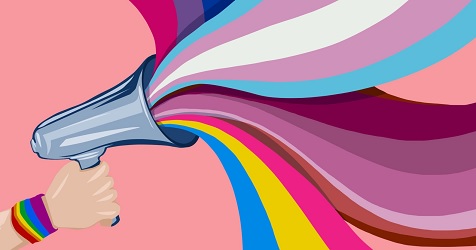
Theeeeeen, the Canadian government decided that the fusty old “LGBTQIA2S+” acronym was just too last season and officially designated the new and improved acronym to be “2SLGBTQQIA+.” Cuz you know, we really need to give priority to the gender diversity of Native Americans. CLICK https://twitter.com/saokodomi/status/1439995479945740292 to hear him try and fail to get all the alphabeticals straight. LOL
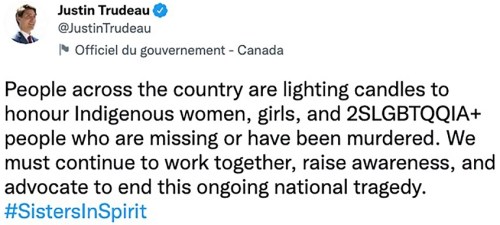
But wait, we’re not done yet. (Please, Jesus, come again soon, so we can finally be done!) Some activists in British Columbia have decided that switching to “2STNBGD” would somehow improve health outcomes for “young people [who] face frequent misgendering, long delays in care, [and] lack of access to knowledgeable providers.” And here I thought the problem Canadians faced with a lack of access to providers was because the government has a stranglehold on all medical services. But what do I know! Maybe it really is because of a shortage of up-to-date, politically-correct acronyms.







 polination.blog