
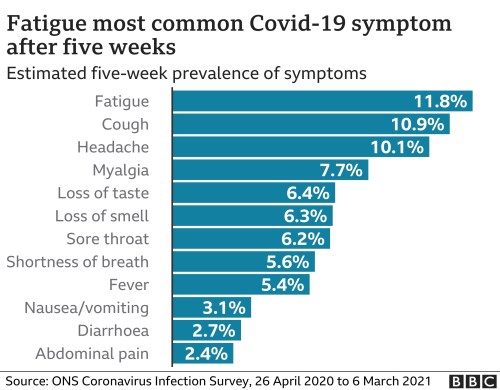
Post-COVID-19 condition (PCC), commonly referred to as Long COVID, is defined as persisting symptoms 3 or more months after the initial SARS-CoV-2 infection that cannot be explained by an alternative diagnosis. The symptoms reported most often were fatigue, shortness of breath, muscle, joint and chest pain, headache, cough, loss of taste and/or smell, and diarrhea.
A study entitled “Association between virus variants, vaccination, previous infections, and post-COVID-19 risk” was published in the International Journal of Infectious Diseases on August 25, 2023. Researchers compared the risk of developing PCC after infection with the original Wuhan virus, plus the subsequent Alpha, Delta, and Omicron variants.
It found that the people most likely to develop PCC had been infected with the original, now-extinct Wuhan strain; other risk factors included female sex, smoking, obesity, and other comorbidities. Vaccination had no impact on a person’s risk of developing PCC from Alpha, Delta, or Omicron; however having recovered naturally from a previous infection reduced the risk by 86%.
Dr. Joseph Varon, chief of the Critical Care and COVID-19 Department at the United Memorial Medical Center, noted one flaw in the study’s design; it did not look at whether the Fauci Ouchi put people at greater risk of developing Long COVID. Dr. Varon says this is what he has been seeing in his clinic.
“What I’m seeing is that the higher the number of boosters that you have, the more chances … you’re going to have long haul syndrome,” he said, adding that the majority of his long-haul patients are those who took four or more doses of the vaccine rather than those who took up to three doses or were unvaccinated.








 polination.blog