

I have had acid indigestion for so many years that it actually felt normal. I have chronic PTSD and, a while back, I began to wonder why stress causes acid indigestion. I did some research and very quickly learned that it doesn’t.
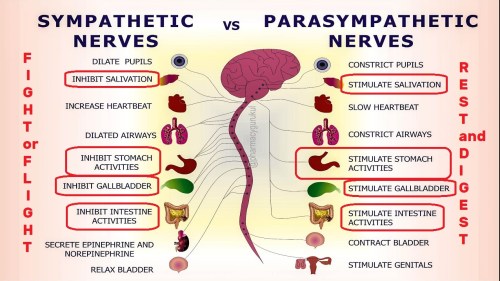
The stress (or sympathetic) response is all about fight or flight; it suppresses all of the digestive processes … acid production, enzyme production, mucus production, and peristalsis. The reason chronic stress appears to cause acid indigestion is that the stomach lining requires a generous mucus coating to protect it from the strong acid required to properly digest food. Chronic stress means this mucus lining thins; when food hits the stomach, acid is released and the pain starts.

Once I realized that suppressing acid was aggravating all of my health issues, I ditched my antacids, told my gastroenterologist, “No more PPIs,” and began a program of my own. Ten minutes before meals, I take a spritz of bitters to wake up my digestion, then with meals, I have one capsule of Bio Nutrition Leaky Gut Wellness (mucilaginous herbs), one capsule of Doctor’s Best Digestive Enzymes, and one capsule of psyllium husk powder. This program is working beautifully.
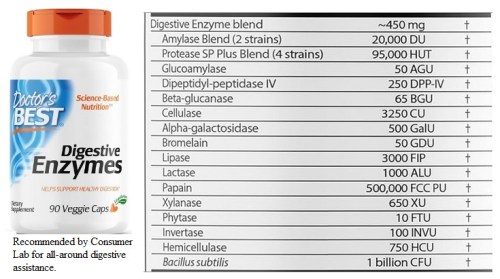
I ran out of Leaky Gut for a week this month and really felt it from top to bottom. More acid reflux, more gut discomfort, more poo problems. In fact, since I started my new program, the only time I really wished I had an antacid was during that week. I believe all four elements of my program are valuable, but I’m convinced the mucilaginous herbs are the cornerstone and I don’t intend to run out again.

Why, then, do doctors and supposedly reputable medical websites like Harvard’s keep promoting the easily falsified idea that stress causes acid indigestion? In a word … profit. Big Pharma spends nearly $30 billion a year just on marketing. Of this, 68% goes to persuading doctors and other medical professionals of the benefits of prescription drugs. The rest of those billion$$$ go toward convincing consumers to check with their doctors about whatever drug their ad is pimping. Clearly, if they’re spending that much on marketing, they’re making far more in profits.
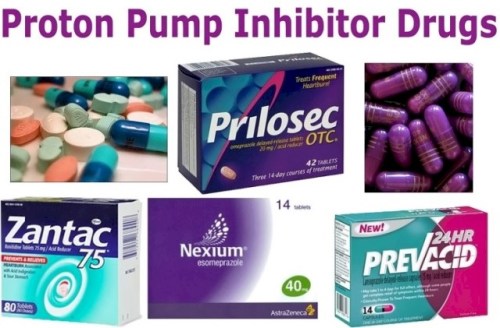
The “gold standard” class of prescription drugs are proton pump inhibitors (PPIs). They work by blocking acid production. My primary said PPIs are one of the most frequently prescribed drugs in America. A market analyst (link below) says their market share is projected to grow by another 4.5% over the next year.
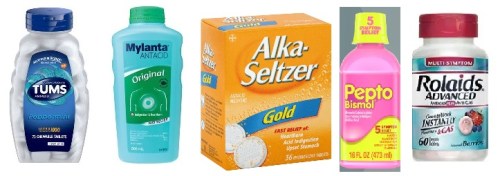
And it’s not just the prescription drugs that rake in the dough. In 2022, the global OTC antacids market size was valued at $6.7 billion. Americans spent about $2 billion of that. NOTE: I was today years old when I learned that some PPIs are available OTC, which means no doctor or pharmacist is keeping an eye on how long you take them.

We have grown up in a culture where “take a pill” is the answer to pretty much everything. I’ve heard doctors complain that patients who don’t need a prescription will often demand one … as if getting the doctor’s exam and advice somehow isn’t enough to justify the office visit.

But taking pills comes with hidden costs. For example, studies have shown that long-term PPI users are 20% to 50% more likely to develop chronic kidney disease (CKD). Others have suggested a 30% increase in dementia. Still others have shown long-term PPI users are more likely to catch COVID.

Meanwhile, antacids may cause diarrhea, constipation, stomach cramps, nausea, vomiting, and/or flatulence. Long term use can disrupt your electrolyte balance, leading to muscle weakness, twitching, tenderness, pain, fatigue, sleepiness, kidney stones, and osteoporosis.

For occasional use, OTC antacids are useful. They are inexpensive and easily obtained. Still, some people really need to be careful what type they use. If you have liver disease, kidney disease, heart failure, high blood pressure, or cirrhosis, you need to know which kinds can be dangerous for you.
- https://www.health.harvard.edu/diseases-and-conditions/could-stress-be-making-my-acid-reflux-worse
- https://biologydictionary.net/sympathetic-vs-parasympathetic-nervous-system/
- https://www.drugs.com/drug-class/proton-pump-inhibitors.html
- https://www.mordorintelligence.com/industry-reports/proton-pump-inhibitors-market
- https://www.alliedmarketresearch.com/antacids-market-A10281
- https://arstechnica.com/science/2019/01/healthcare-industry-spends-30b-on-marketing-most-of-it-goes-to-doctors/
- https://www.goodrx.com/classes/proton-pump-inhibitors/ppi-list
- https://timesofindia.indiatimes.com/city/delhi/Beware-Your-reliable-antacid-may-be-killing-your-kidneys/articleshow/49636226.cms
- https://www.nhs.uk/conditions/antacids/
- https://www.prevention.com/health/a20516891/too-many-antacids-side-effects/
- https://www.worthpoint.com/worthopedia/vintage-full-pack-listerine-cigarettes-from-the







 polination.blog
What brand of psyllium do you use?
LikeLike
Consumer Lab’s top rated brand was Kate’s so I got that @ https://www.amazon.com/Kate-Naturals-Consuming-Gluten-Free-Resealable/dp/B07GP1LHRG.
I also bought a bottle of “00” gelcaps, so I could experiment with amounts/day, timing, and adding to food or taking by capsule. My gastro said 1 to 1½ tsp per day is a good amount for the powder. (3 “00” gelcaps stuffed full = 1 tsp.) So far, I haven’t liked adding it to food, so I am using the caps (1 per meal), which is helping in many ways.
Psyllium is actually recommended by the FDA (imagine!) not only for constipation, but also for lowering LDL cholesterol, managing diabetes, and promoting weight loss.
LikeLiked by 1 person