
What You Need to Know About a Government Shutdown by Congressman Jack Kingston (GA)
Why Are We Here?
In accordance with Article I, Section 9, Clause 7 of the United States Constitution, “no money shall be drawn from the Treasury but in consequence of Appropriations made by law.” The law under which government is currently funded expires at midnight on Monday, September 30.
What Has the House Done?
The House, committed to preventing a government shutdown, has passed three temporary spending measures called ‘continuing resolutions’ which would keep the government open. The first continuing resolution repealed Obamacare, while the second delayed the plan for a year and included conscience protection. The House passed a third compromise measure including a one year delay of the individual mandate, pushing the President, Vice President, and political appointees into the system and removing all taxpayer subsidies for the President, Vice President, Members, and staff.
What Has the Senate Done?
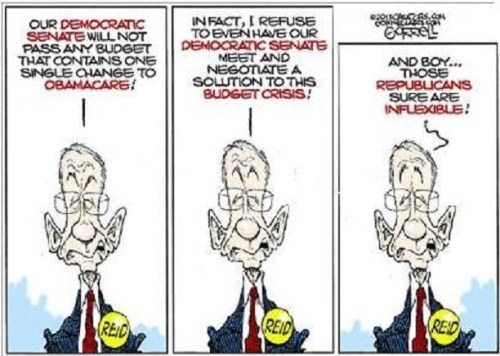
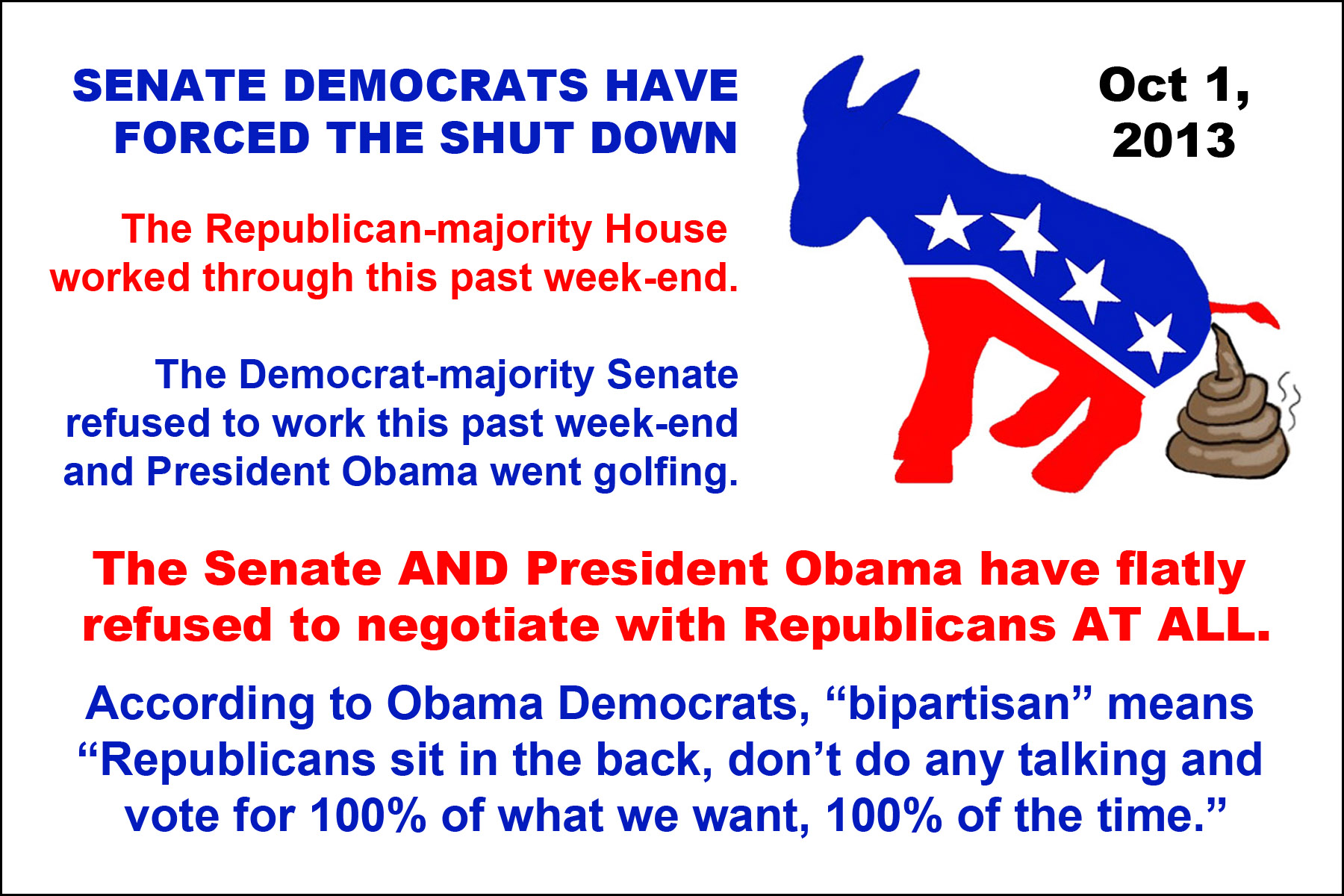
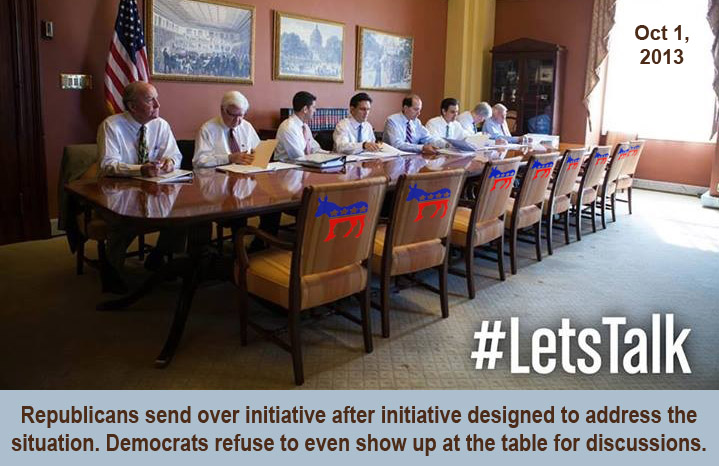
The Senate refused to work this weekend while the House remained in session and Senate Democrats have refused to work with the House to reach agreement. Instead, they have flatly rejected the House’s efforts to prevent a shutdown and refused to offer compromise.
What Has the President Done?
President Obama has refused to engage in negotiations with Congress, opting instead to golf on a taxpayer-funded course over the weekend. While his own Administration has exempted several portions of the law by executive fiat, he refuses to extend those same protections to the American people.
What Shuts Down?
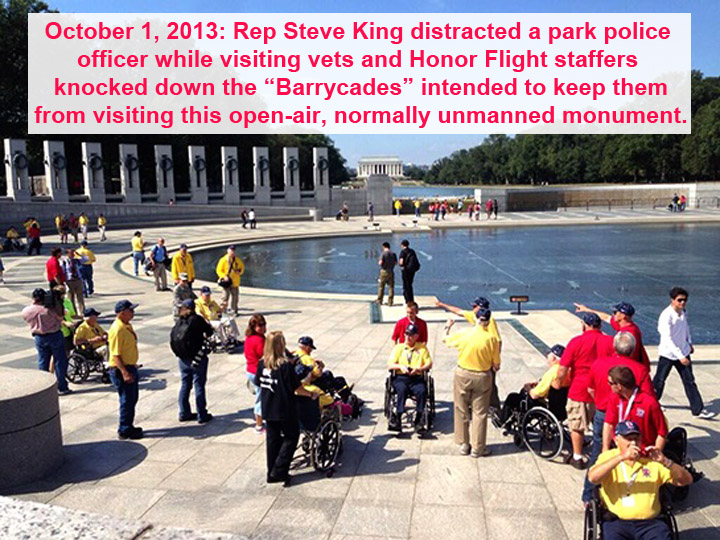
“Non-excepted” parts of the government will be closed, including the Smithsonian museums, national monuments, national parks, and Capitol tours. Certain services such as the expedition of a passport would also cease.
What Stays Open?
Sectors of government deemed “excepted” will continue to conduct business. Therefore, programs written into permanent law (Social Security), functions pertaining to national security or public safety continue to operate.
Does Congress Get Paid?
Members of Congress are paid under constitutional law, and “excepted” congressional staff members receive payment in the form of back pay once the shutdown is over. Other essential federal employees continue to work and have historically received payment after a delay, although it is not guaranteed.
What About Our Troops?
On Saturday, the House unanimously approved a bill proposed by Congressman Kingston along with Reps. Mike Coffman (R-CO), Louie Gohmert (R-TX), and Tom Latham (R-IA) to ensure the payment of our troops and supporting civilian employees or contractors in the event of a government shutdown. On Monday, the Senate followed up with passage by unanimous consent.

Source:
http://kingston.house.gov/news/email/show.aspx?ID=MURALQL7FIYFTSNOAECAEPGVJQ














 polination.blog